
Tobacco and Beverages: A Look at Two Major Global Consumer Markets
Tobacco and Beverages: A Look at Two Major Global Consumer Markets
Introduction: Everyday Products with Global Influence
Tobacco and beverages are two of the most widely consumed product categories in the world. While they differ in purpose and perception, both industries play a major role in global trade, culture, and consumer behavior. From small local producers to multinational corporations, these markets shape everyday lifestyle choices across different societies.
Tobacco products typically include cigarettes, cigars, and smokeless tobacco, while beverages cover a much broader range such as water, coffee, tea, soft drinks, energy drinks, and alcoholic beverages.
The Tobacco Market: Tradition and Regulation
The tobacco industry has a long history and remains economically significant in many countries. Tobacco farming supports millions of farmers globally, particularly in regions where agriculture is a primary source of income.
However, this industry is also one of the most regulated in the world. Governments enforce strict rules on advertising, packaging, age restrictions, and public smoking areas due to well-known health risks. Over time, public awareness campaigns have reduced smoking rates in several countries, especially in urban areas.
Despite declining traditional cigarette use in some regions, the market continues to evolve. Alternative products such as heated tobacco devices and nicotine-based electronic options have gained attention as companies adapt to changing consumer preferences.
The Beverage Industry: Variety and Innovation
In contrast, the beverage industry is highly diverse and constantly expanding. It includes both non-alcoholic and alcoholic drinks, catering to a wide range of consumer tastes and lifestyles.
Non-alcoholic beverages such as bottled water, juices, coffee, and tea dominate daily consumption worldwide. Coffee shops and tea culture have become important social spaces, especially in urban environments. Meanwhile, soft drink companies continue to innovate with new flavors and reduced-sugar options to meet health-conscious demands.
Alcoholic beverages, including beer, wine, and spirits, also form a significant part of the global market. These products are often tied to cultural traditions, celebrations, and hospitality industries.
Consumer Trends and Lifestyle Changes
Modern consumers are becoming more health-conscious, which is influencing both industries. In the tobacco sector, there is a noticeable shift away from traditional smoking toward reduced-risk alternatives. In the beverage sector, demand is growing for natural, organic, and low-calorie options.
Sustainability is also becoming a major factor. Companies are increasingly focusing on eco-friendly packaging, responsible sourcing, and reduced environmental impact. This shift reflects a broader global movement toward healthier and more sustainable living.
Economic Importance of Both Industries
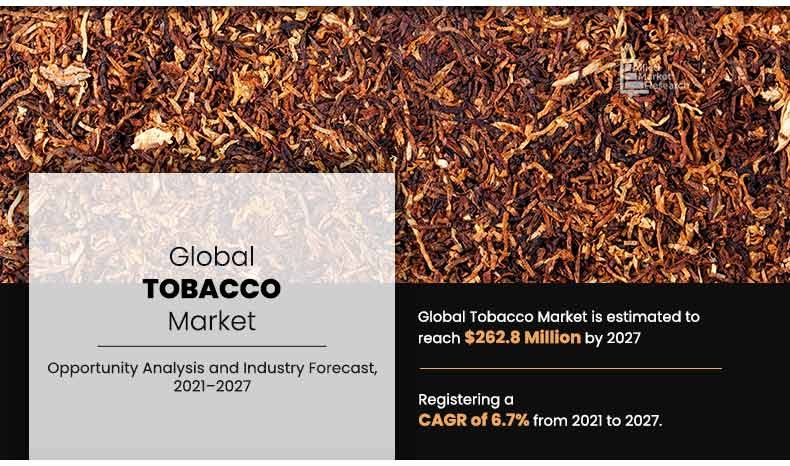
Despite regulatory challenges, both tobacco and beverage industries contribute significantly to the global economy. They generate https://tobacconbeverage.com/ billions in revenue, provide employment across supply chains, and contribute substantial tax income for governments.
The beverage industry, in particular, has strong growth potential due to continuous innovation and expanding consumer demand. The tobacco industry, while facing stricter controls, remains financially strong in certain markets.
Conclusion: Two Markets, One Changing Future
Tobacco and beverage industries continue to play important roles in global consumer markets, even as they face different challenges and transformations. Tobacco is adapting to tighter regulations and shifting habits, while beverages are expanding through innovation and lifestyle trends.
Together, they reflect how consumer preferences evolve over time—balancing tradition, regulation, health awareness, and economic growth in a rapidly changing world.