
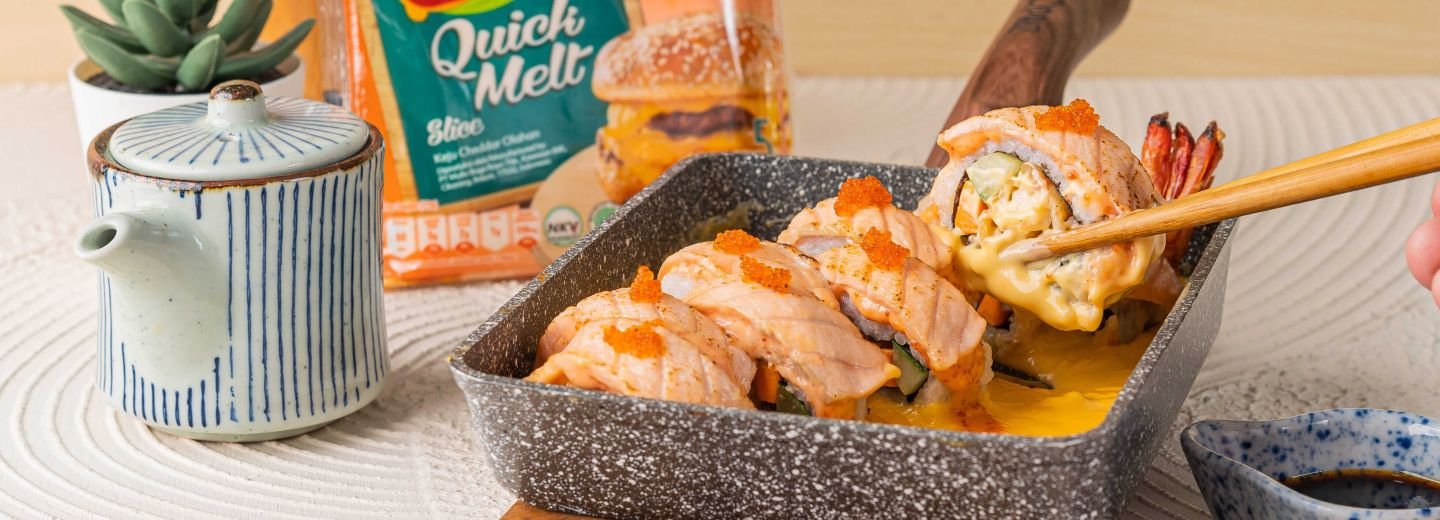
The Art of Seared Salmon Sushi: A Melt-in-Your-Mouth Culinary Delight
The Art of Seared Salmon Sushi: A Melt-in-Your-Mouth Culinary Delight
Sushi is a famous food from Japan that people all over the world love to eat. While many traditional styles feature completely raw fish, one modern variation has taken the culinary world by storm: seared salmon sushi. Known in Japan as Aburi salmon sushi, this dish combines the fresh taste of raw seafood with the rich, smoky flavors of cooked food. It offers a unique texture and flavor profile that appeals to both sushi novices and long-time connoisseurs.
What is Seared Salmon Sushi?
The word aburi means “flame-seared” in Japanese. To make this dish, a sushi chef prepares a classic piece of salmon sushi and then uses a handheld kitchen blowtorch to blast the top of the fish with high heat for just a few seconds.
This quick technique does not cook the fish all the way through. Instead, it creates a beautiful contrast:
- The Top Layer: Becomes warm, slightly crisp, and beautifully caramelized.
- The Inside: Stays cool, raw, tender, and incredibly juicy.
When the high heat hits the salmon, it melts the healthy fats and oils inside the fish. This process creates a smoky aroma and gives the salmon a rich, buttery texture that literally melts in your mouth.
Popular Styles and Presentation
Seared salmon sushi is highly versatile and appears on restaurant menus in several popular forms:
- Aburi Nigiri: This is the most traditional style. It features a thin slice of fresh salmon draped over a small, hand-formed pillow of seasoned sushi rice before it is torched.
- Aburi Maki (Sushi Rolls): In this style, chefs place thin sheets of salmon on top of a multi-ingredient sushi roll—often filled with avocado or cucumber—and sear the entire top layer of the roll.
- Aburi Donburi: For a casual meal, seared salmon slices are served over a large bowl of warm sushi rice and topped with fresh vegetables.
Enhancing the Flavor: Sauces and Toppings
While plain seared salmon is delicious, chefs love to add creative toppings before applying the flame. The intense heat transforms these toppings, creating deep and complex flavors.
[ Fresh Salmon ] ---> [ Add Topping (Mayo/Sauce) ] ---> [ Torch for 3 Seconds ] ---> [ Sizzling Caramelization ]
Some of the most popular combinations include:
- Kewpie Mayonnaise: This rich Japanese mayo bubbles up and turns golden brown under the flame, adding a creamy, savory sweetness.
- Unagi (Eel) Sauce: A thick, sweet soy sauce glaze that caramelizes into a deep, smoky BBQ-like flavor when torched.
- Melted Cheese: A modern twist where a tiny slice of mozzarella or cheddar is melted directly onto the fish, creating an ultra-rich bite.
- Fresh Finishes: Sliced green onions, toasted sesame seeds, or a tiny drop of spicy sriracha are often added after torching to provide a fresh, clean crunch.
How to Make It at Home
You do not need to go to a luxury restaurant to enjoy this treat. Making it at home is simple and fun if you follow a few basic guidelines.
1. Source the Right Ingredients
Safety is the most important rule when working with sushi. Always buy high-quality, sashimi-grade salmon from a trusted fishmarket. This ensures the fish is safe to eat raw in the center.
2. Perfect the Sushi Rice
Good sushi requires properly seasoned rice. Cook short-grain Japanese rice and gently fold in a mixture of rice vinegar, sugar, and salt while it is still warm. The rice should be slightly sticky and cooled to room temperature before shaping.
3. Torch with Care
Place your assembled salmon sushi pieces on a heat-safe plate or metal tray. Hold a kitchen torch a few inches away from the fish and sweep the sushi oishii flame back and forth smoothly. It only takes 3 to 5 seconds for the fish to change color and start sizzling. If you do not own a kitchen torch, you can place the sushi on the top rack of your oven under the high broiler setting for about 30 seconds.